Routine Maintenance Of Motor Hardware Components
Jul 10, 2026
Motor hardware components must be kept clean during daily use; their surfaces should be inspected regularly for dust, oil, rust, and other impurities. External hardware such as casings, end shields, and brackets can be cleaned with a dry cloth or appropriate tools to prevent corrosion caused by the long-term accumulation of dirt. During cleaning, inspect the parts for cracks, deformation, or impact damage; address any abnormalities promptly to avoid affecting future operation.
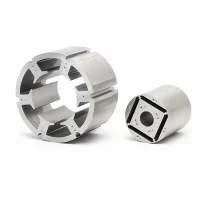
Internal motor hardware should be inspected periodically based on the equipment's operating environment and runtime. Focus on the installation status of stator and rotor laminations, end shields, bearing housings, and various fasteners, checking for looseness, wear, or abnormal deformation. If significant vibration, noise, or abnormal temperatures occur during operation, shut down the motor immediately to inspect the relevant components and prevent further damage to the hardware caused by prolonged stress or improper fit.
Fastening hardware-such as bolts, nuts, brackets, and connecting plates-requires regular checks for tightness and adjustment according to specified requirements when necessary. Moving parts subject to friction should be lubricated in accordance with maintenance guidelines, taking care to prevent lubricant from entering the windings or other areas where oil contact is unsuitable. Parts showing severe rust, wear, or deformation must be replaced promptly; components with obvious defects should not remain in service.
Daily maintenance should include keeping records of part replacements, repairs, and any anomalies to facilitate the assessment of the equipment's operating condition. Regular cleaning, inspection, tightening, and rust prevention help minimize abnormal wear and corrosion of motor hardware, maintain proper component assembly, and extend the service life of the motor equipment.