

Advantages of the iron core
Aug 20, 2026
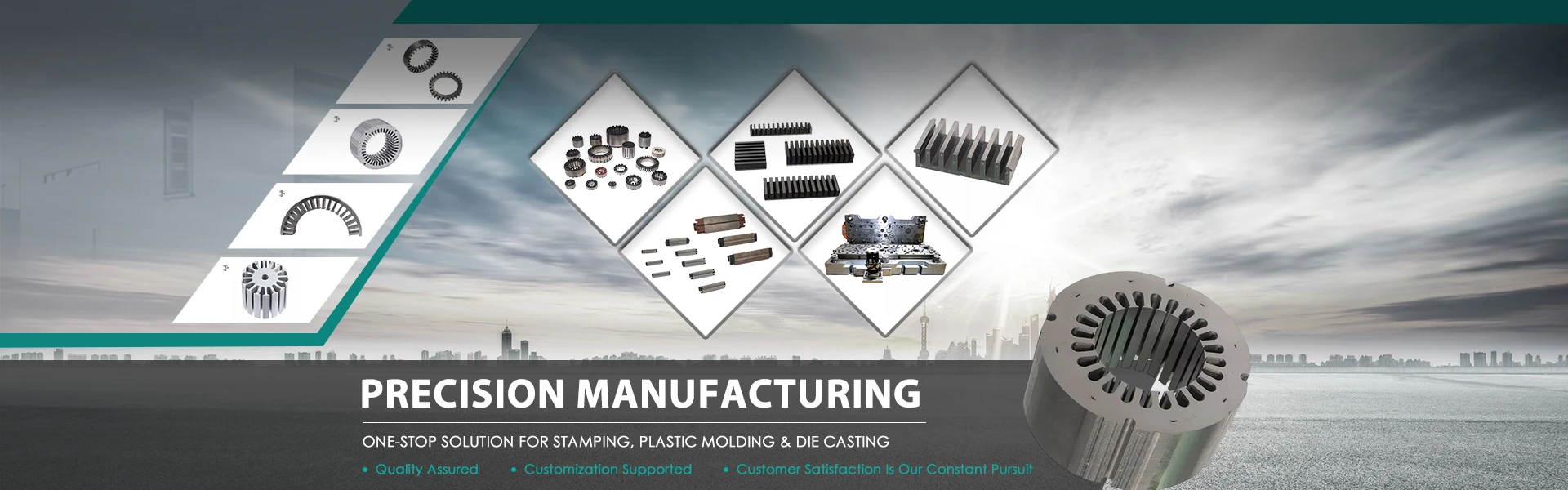
The primary advantage of an iron core is its excellent magnetic permeability, providing a low-reluctance path for magnetic flux. When the coil is energized, the iron core concentrates the magnetic field lines and minimizes dispersion into the surrounding space, thereby intensifying the magnetic field's effect. With an iron core, a coil generates a stronger magnetic field for a given current, enhancing the electromagnetic conversion efficiency of devices such as transformers, inductors, and electric motors. Furthermore, an optimized core design reduces magnetic leakage, ensuring more effective utilization of magnetic energy.
Iron cores also offer excellent electromagnetic characteristics and versatility. Materials can be selected based on operating frequency and application environment; for instance, silicon steel is well-suited for power-frequency equipment, while soft magnetic ferrites are commonly used in high-frequency electronic devices. Selecting the appropriate material and structure minimizes hysteresis and eddy current losses during operation, reduces heat generation, and improves overall equipment efficiency. Additionally, iron cores can be designed in various configurations-such as E-shapes, U-shapes, or toroids-to accommodate different coil mounting methods and magnetic circuit requirements.
Iron cores also possess distinct mechanical advantages. Typically constructed by stacking thin laminations, the core offers a stable structure capable of withstanding mechanical stress and vibration. Careful design of the core's dimensions and shape allows for the optimization of magnetic performance while controlling the device's size and weight. In equipment like transformers and motors, the iron core not only facilitates magnetic energy transfer but also serves as a structural component, providing necessary support for the coils and other internal parts.


