Performance and Parameters of Stator and Rotor
Aug 14, 2026
The performance of the stator and rotor is primarily reflected in their electromagnetic characteristics, mechanical properties, and operational stability. The stator is responsible for establishing the working magnetic field, while the rotor generates rotational motion under the influence of that field; together, they determine the motor's output torque, efficiency, power factor, rotational speed, and operating state. Factors such as materials, structural dimensions, winding parameters, and air-gap size influence motor performance; therefore, appropriate parameters must be selected based on the motor's specific application during the design and manufacturing processes.
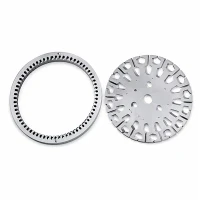
Key stator parameters include the core's outer diameter, inner diameter, length, number of slots, slot shape, winding configuration, wire gauge, number of turns, and number of poles. Stator cores are typically constructed by stacking electrical steel laminations, and the material's magnetic properties affect core losses and overall motor efficiency. Stator slot dimensions must match the winding specifications while ensuring ease of winding installation and reliable insulation. Dimensions and winding parameters vary depending on the motor's power and speed ratings, requiring electromagnetic calculations to determine the optimal parameter combination.
Key rotor parameters include the core's outer diameter, inner diameter, length, number of slots, shaft dimensions, and-depending on the type-magnet dimensions or rotor winding parameters. For squirrel-cage rotors, critical factors include conductor bar material, the number of bars, and end-ring structure; for permanent-magnet rotors, magnet material, dimensions, pole count, and mounting method must be determined based on performance requirements. Mechanical strength and dynamic balance are also crucial metrics; particularly for high-speed operation, the rotor must possess sufficient rigidity and stability to prevent excessive vibration caused by eccentricity or uneven mass distribution.
Critical parameters following the assembly of the stator and rotor include air-gap size, coaxiality, end-face parallelism, and core stack height. An optimal air-gap ensures effective interaction between the stator magnetic field and the rotor while minimizing unnecessary magnetic energy loss. Post-manufacturing inspections typically cover core dimensions, winding condition, insulation performance, rotor dynamic balance, and assembly precision. These are complemented by no-load, load, and temperature-rise tests to verify the integrated performance of the stator and rotor, ensuring the motor meets all design specifications.