The function of motor hardware components
Aug 12, 2026
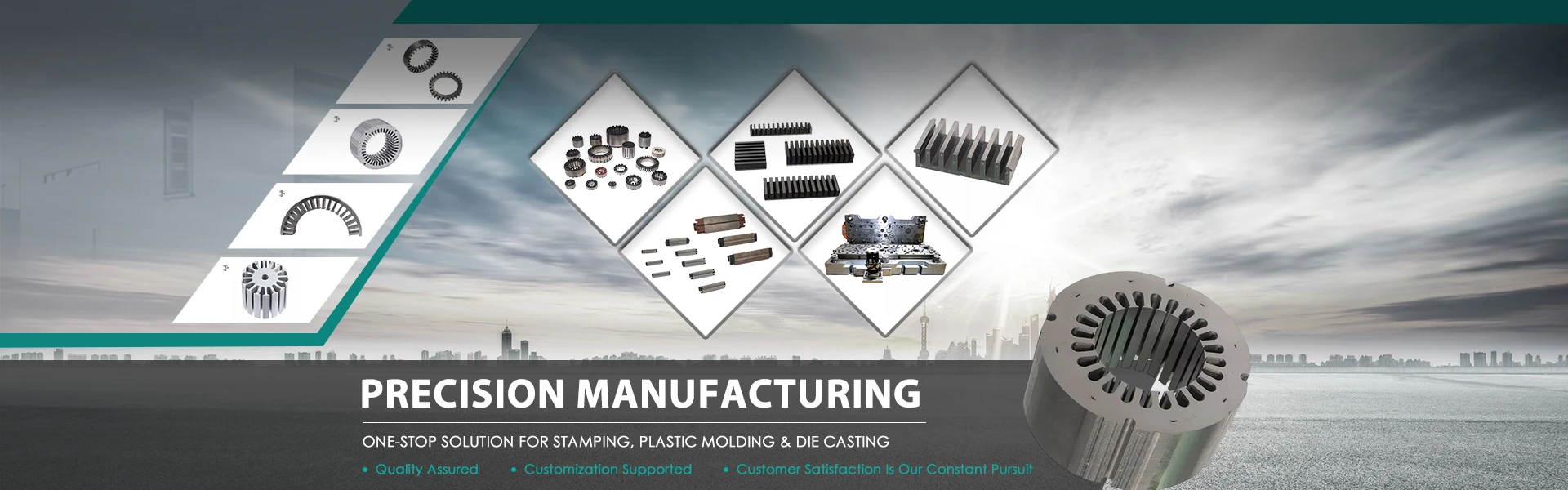
Motor hardware components are vital elements of a motor's structure, primarily serving to support, secure, and connect various parts. Components such as end shields, housings, brackets, mounting plates, and connectors hold parts like the stator, rotor, and bearings in their correct positions, creating a stable, integrated internal structure. Since the dimensions and assembly precision of these hardware components directly affect how parts fit together, strict quality control during manufacturing is essential.
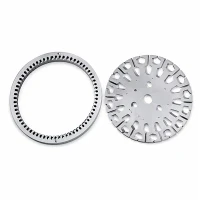
Hardware components such as stator and rotor laminations also play a role in forming and optimizing the magnetic circuit. Stator and rotor cores are typically constructed by stacking multiple electrical steel laminations; when the motor is energized, these work with the windings to form a magnetic circuit, enabling the conversion between electrical and mechanical energy. The shape, dimensions, and stacking quality of the laminations influence magnetic field distribution and motor performance, necessitating high standards for stamping precision, material properties, and manufacturing consistency.
Motor hardware components also provide protection and facilitate heat dissipation. Housings and end shields protect internal windings, the rotor, and other parts by preventing dust and foreign objects from entering the motor. Certain metal structures also assist in conducting and dissipating heat generated during operation, thereby limiting the internal temperature rise. A well-designed structure can meet strength requirements while improving heat dissipation, ensuring stable motor operation.
Additionally, motor hardware components perform functions such as positioning, vibration damping, and mounting. For instance, bearing housings ensure the correct positional relationship between bearings and the rotor shaft, mounting brackets secure the motor to the main equipment, and connectors enhance assembly reliability between structural elements. As these components must withstand vibration, mechanical loads, and temperature fluctuations during long-term operation, appropriate materials and manufacturing processes must be selected based on specific applications to ensure the overall stability and reliability of the motor structure.